Explore stories about the social benefits and impact of the Humanities and the remarkable outcomes that can be achieved when humanities researchers collaborate on national and global challenges. Visit our Newsroom to explore stories about our people, community and research.
Dishonest politicians and the failure to act on mounting evidence of Robodebt’s inaccuracies has led to a major distrust in technology, media and essential services for our country’s most vulnerable people. Australian Research Council Laureate Fellowship recipient Terry Flew FAHA explains how his mediated trust research can help us better understand questions of trust as they relate to news media, digital platforms, corporations, and global institutions.
The effects of climate change are well known, but policy solutions are missing one potential solution to address the issue: creative arts. Dennis Del Favero and Stuart Cunningham FAHA explain how creative arts-led initiatives can help us prepare for and prevent climate disaster.
Linguist and 2023 recipient of the Academy’s John Mulvaney Fellowship Tula Wynyard is helping to document the languages of three remote Arnhem Land communities, a project she felt strongly about after finding it difficult to learn the language of her own Dharug country.
In 2023, we have mostly emerged from the extremes of isolation, but the effects of COVID-19 lockdowns on academia have converged with our looming environmental catastrophe. President of the Academy of Humanities Lesley Head FASSA FAHA reminds us that humanities scholars have the unique tools to address the challenges the world is throwing our way.
The prospect of war crimes trials is once again on the agenda in Australia and globally. Criminal investigations of possible war crimes committed by Australian soldiers in Afghanistan have begun.
Art can communicate across time and space. It transcends life and death. Professor Ari Heinrich FAHA explains how this power is harnessed in an exhibition inspired by a Taiwanese author and created by a Chinese-Australian artist.
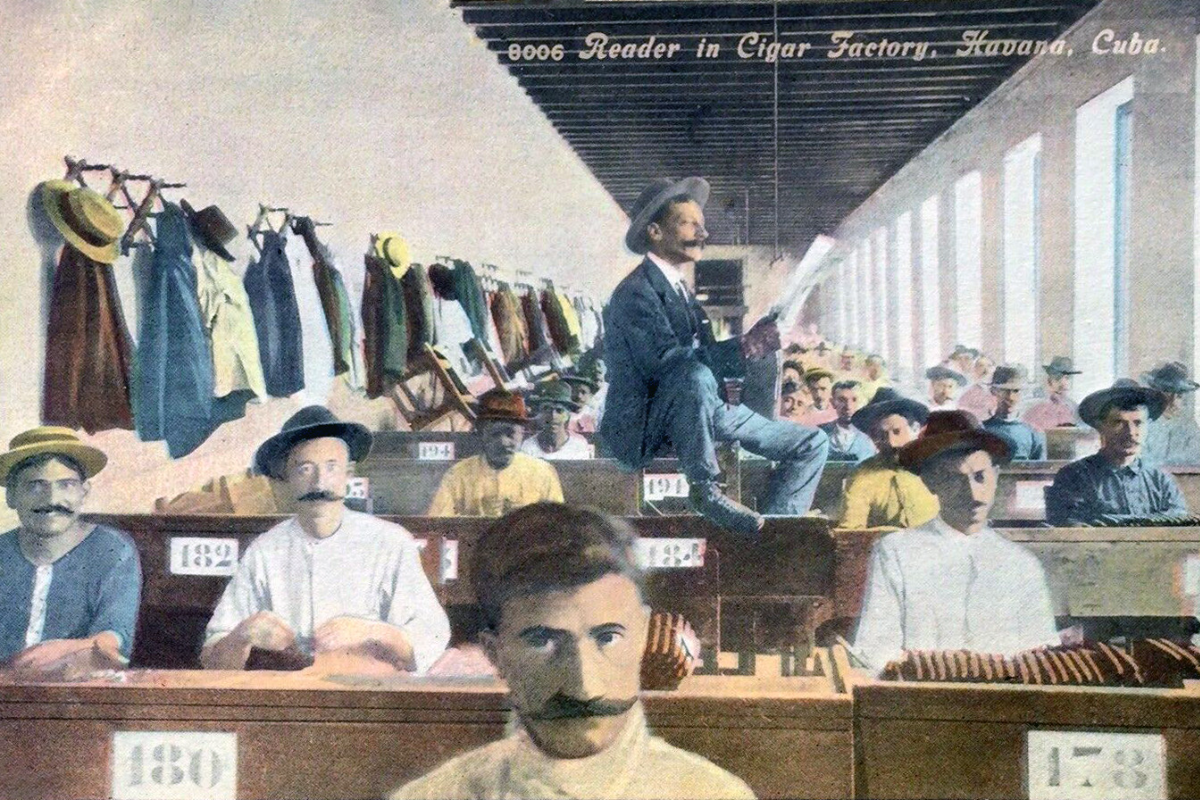
A presentist might assume that audiobooks are a modern invention. They would be wrong. Long before the digital world, literature was being shared orally. Martyn Lyons FAHA takes us back through the centuries to reveal how those who couldn’t read or write maintained a literary culture.
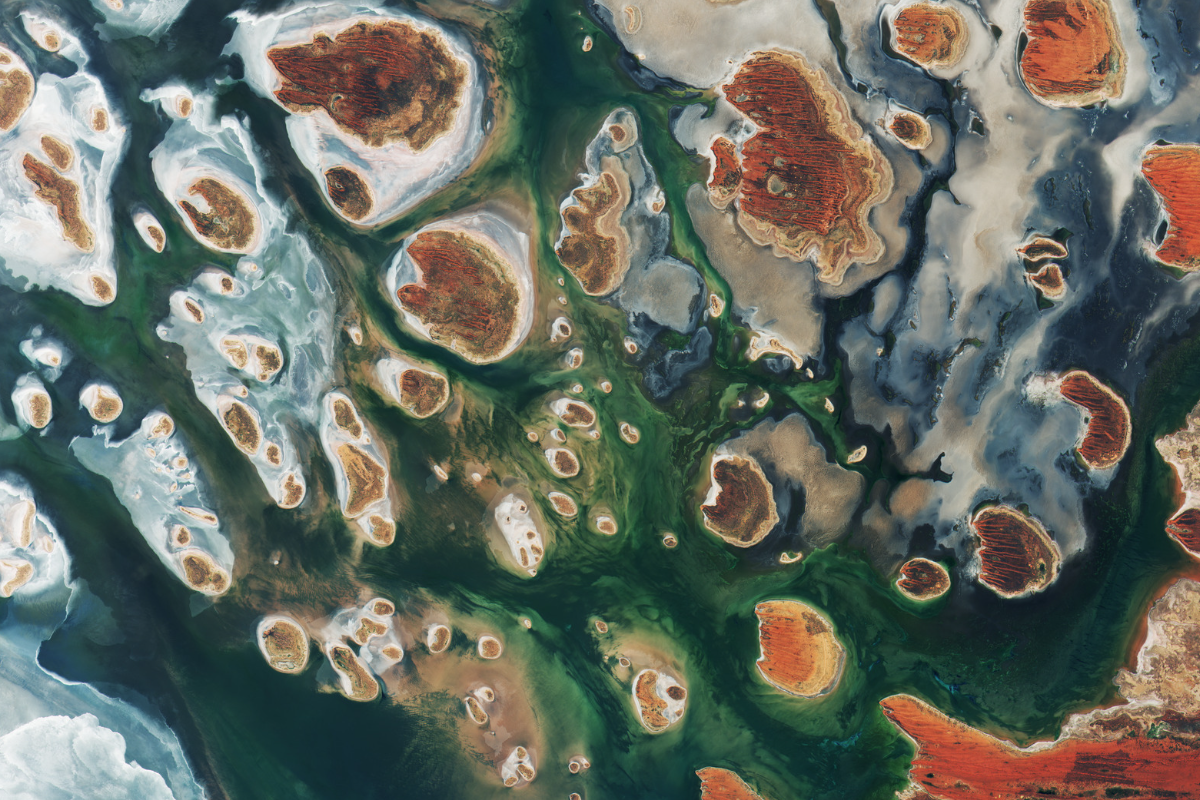
ARC Laureate Fellow, Professor Peter Veth FAHA MAACAI, takes us on a journey from the Ningaloo Coast through the Pilbara and into the Western Desert where innovative science and Indigenous knowledge are helping develop new understandings of the 60,000-year custodianship of Australian deserts.
In this week’s Five-minute Friday Tim Rowse FAHA unpacks the history of fear around ‘judicial activism’ that has dogged the constitutional recognition debate since 1966.
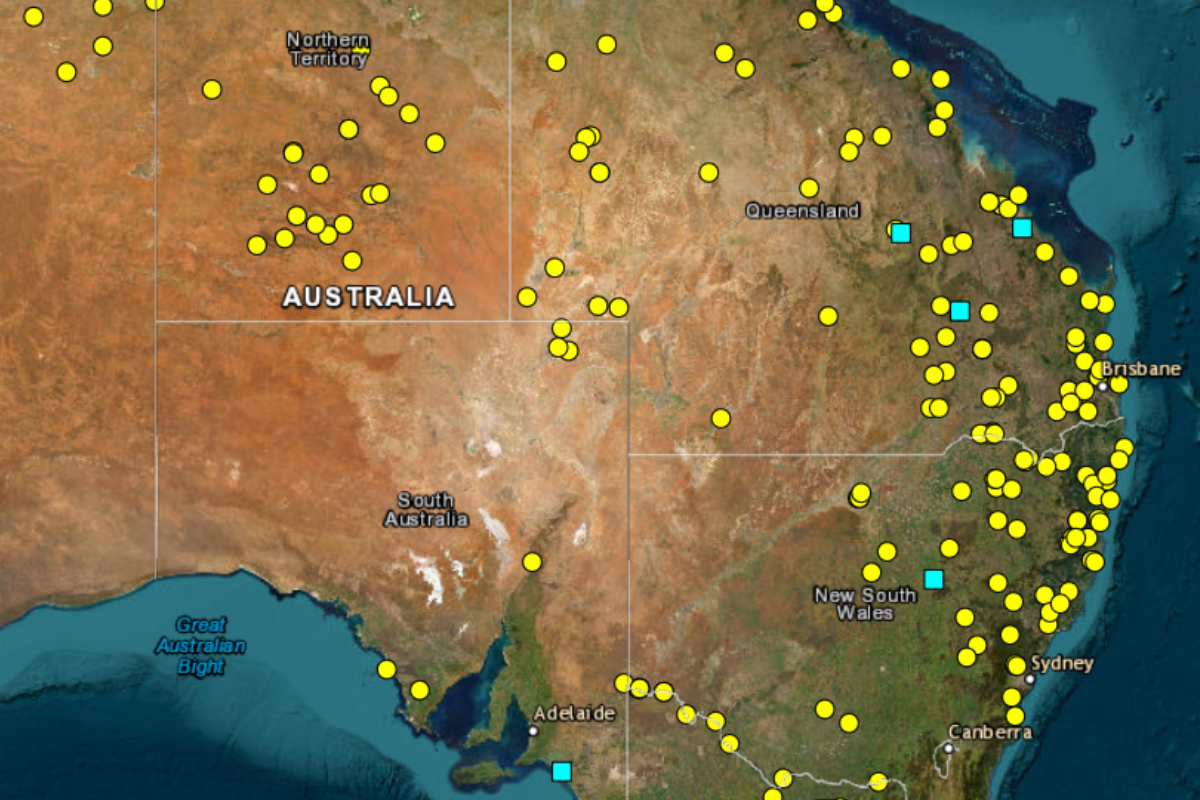
The Colonial Frontier Massacres in Australia, 1788-1930, led by Professor Lyndall Ryan AM, FAHA is a truth-telling project that draws on the new research field of massacre studies and digital technology to map verified frontier massacres in Australia between 1788 when British colonisation began until 1930. Professor Ryan explains how the map settles debates about how the British colonisation of Australia affected Indigenous people.
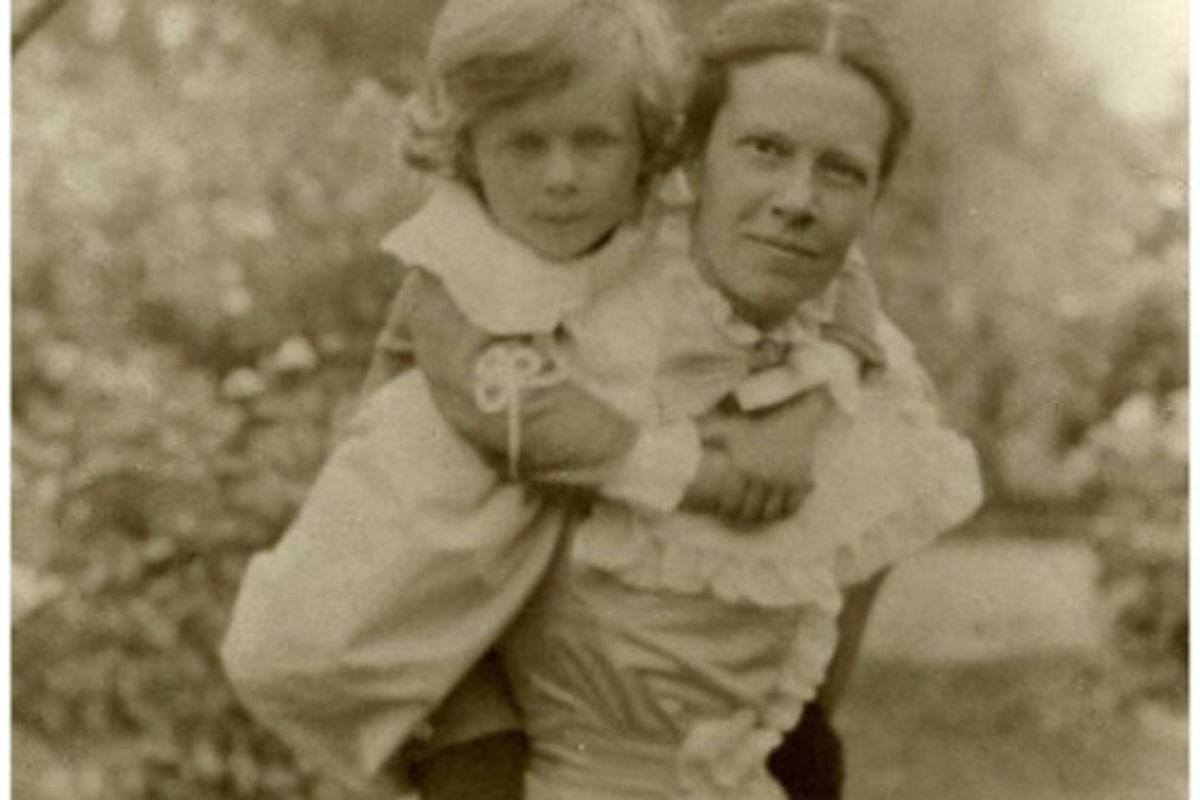
Historian and author, Alison Bashford, FAHA, FBA draws from her latest book An Intimate History of Evolution: the Story of the Huxley Family to explore a world (not so long ago) when it was unremarkable for scientists to also be poets; when a leading English evolutionary biologist was as learned in German philosophy as the new German experiments on a thing called ‘the cell’?
The Australian Academy of the Humanities recognises Australia’s First Nations Peoples as the traditional owners and custodians of this land, and their continuous connection to country, community and culture.