The 2024 Publication Subsidy scheme will fund the publication of new and important research, with topics ranging from unions and labour relations, Australian food culture to the history and the impact of Australian-Chinese community organisations on our national identity.
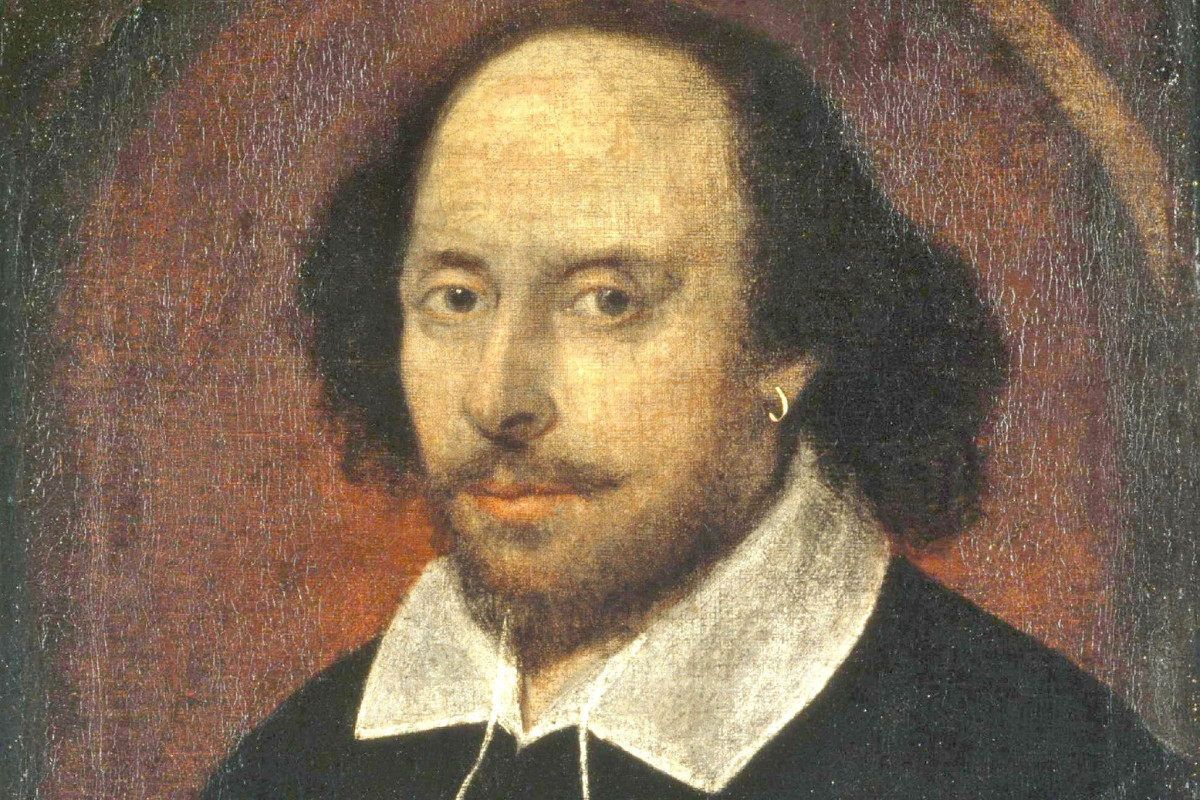
A rare copy of Shakespeare’s First Folio is drawing audiences to MONA. Esteemed playwright John Bell FAHA talks about the enduring legacy of Shakespeare, and why his writing continues to appeal to audiences today.
The Australian Academy of the Humanities welcomes the revitalisation of the National Science and Research Priorities (NSRPs) released yesterday by the Chief Scientist.
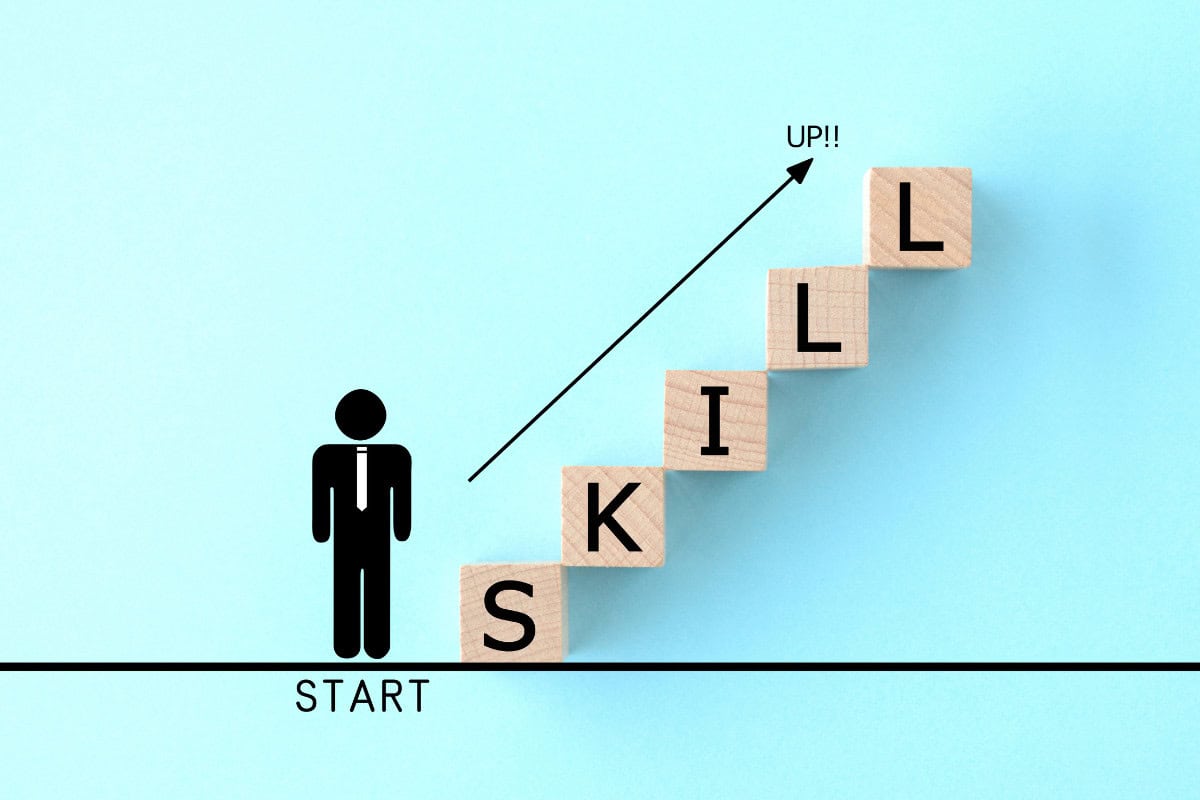
The National Skills Taxonomy provides an opportunity to better recognise and transfer skills across education and employment. Read our full submission here.
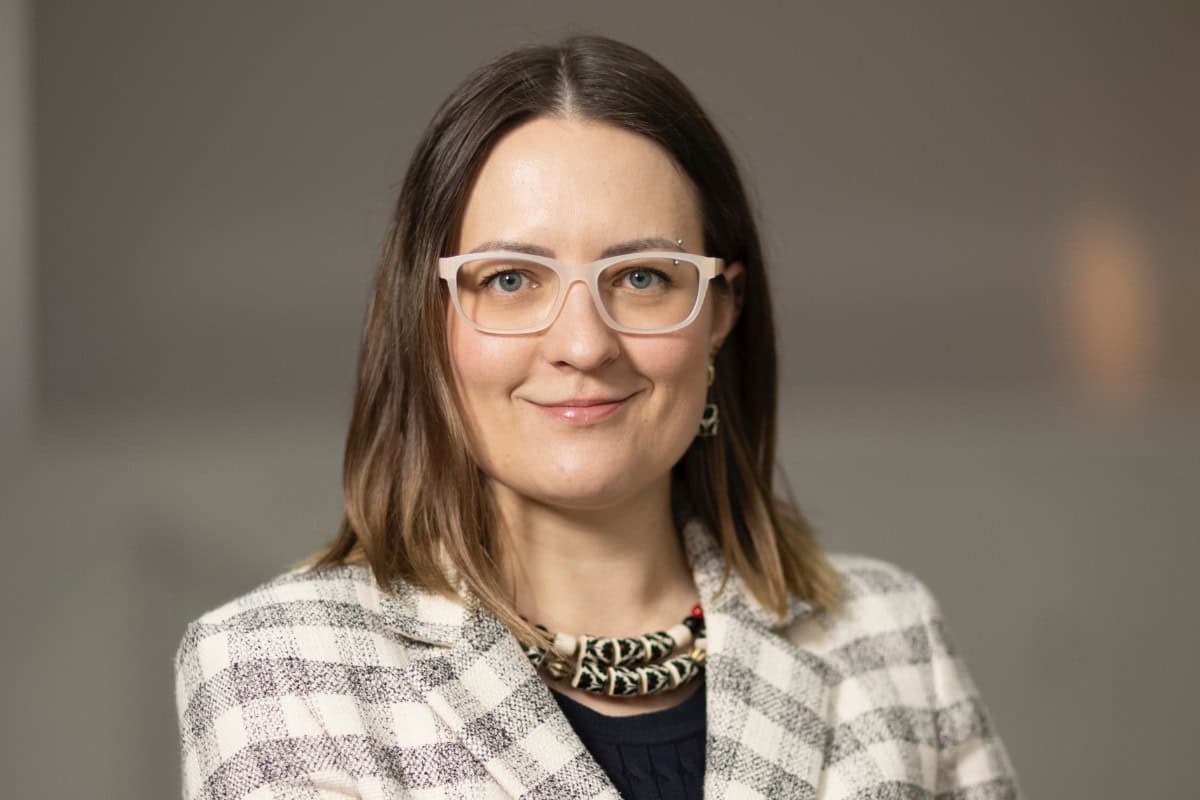
Dr Olga Boichak, a Ukrainian-born media scholar studying digital cultures, is the recipient of the 2024 Max Crawford Medal. Her research focuses on the role of media, data, and technologies in contemporary military conflicts, as well as digital sovereignty and digital infrastructure in wars.
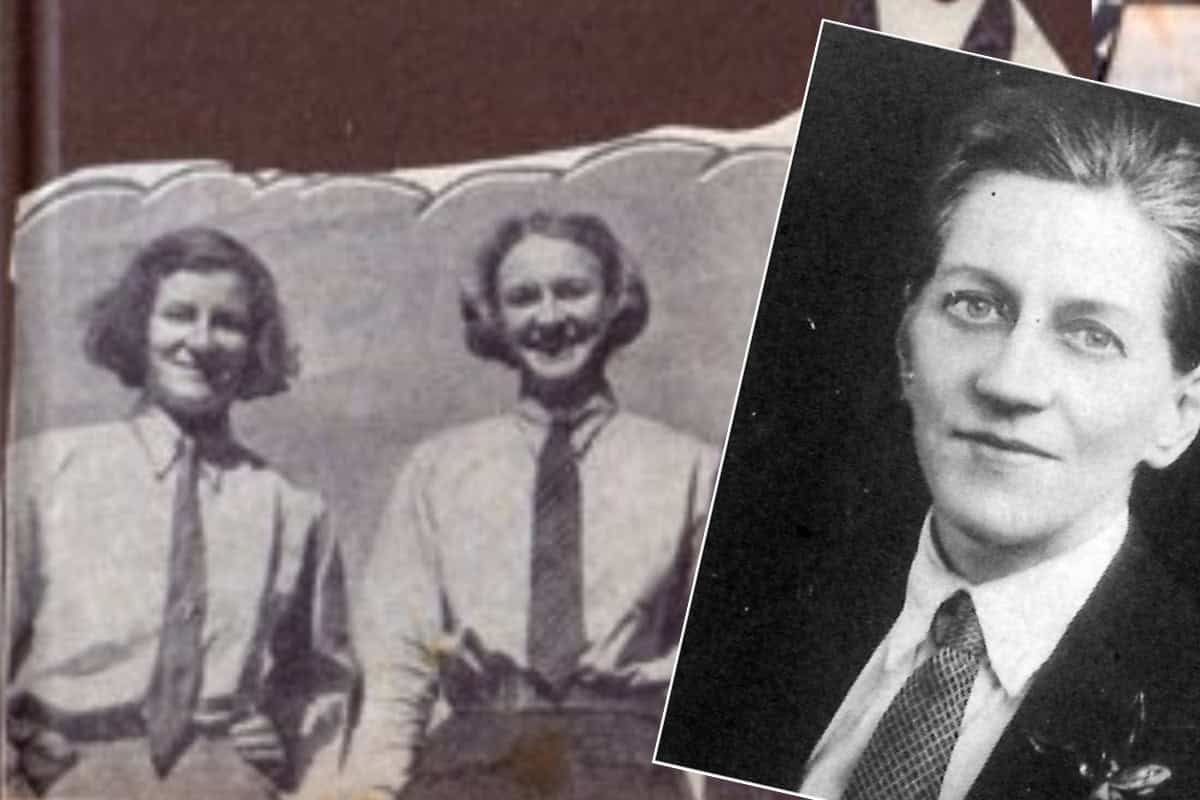
Ethel May Punshon, known to many as Monte, was a woman who experienced every major social and political change of the 20th-century. As Professor Emerita Tessa Morris-Suzuki FAHA explains, Monte’s life reminds us how far Australia has come in its transformation into a more diverse, multicultural, open and outward looking society.
The Australian Government has committed to establish an Australian Tertiary Education Commission (ATEC) as a steward of Australia’s tertiary education system. The Academy of the Humanities welcomes the opportunity to respond to the Implementation Consultation Paper to shape this important Commission. Read our full Submission here.
On 18 June, AAH Executive Director, Inga Davis, set the scene for the HASS and Indigenous RDC Symposium hosted by the Australian Research Data Commons.
Ten humanities researchers will travel overseas to conduct projects addressing issues of national and international significance, such as the experiences of children participating in humanitarian projects, the rise of nationalist movements, and the data obtained without consent from Aboriginal and Torres Strait Islander peoples in the 19th and 20th century.
Modern societies’ obsession with cleanliness has rendered shit invisible from our daily lives, writes Warwick Anderson FAHA FASSA FAHMS FRSN. Yet we are still deeply obsessed, and even anxious, about excrement — from stepping in dung at the dog park to the data our faecal matter carries.
Are we in a ‘post-truth’ world where emotional hot buttons prevail over a decent concern for ‘the truth’? Probably not, as we may realise when we consider the efficacy of the familiar material and social technologies which support our activities. Emeritus Professor Fred D’Agostino FAHA from The University of Queensland examines how we might better understand our relationship with the truth.
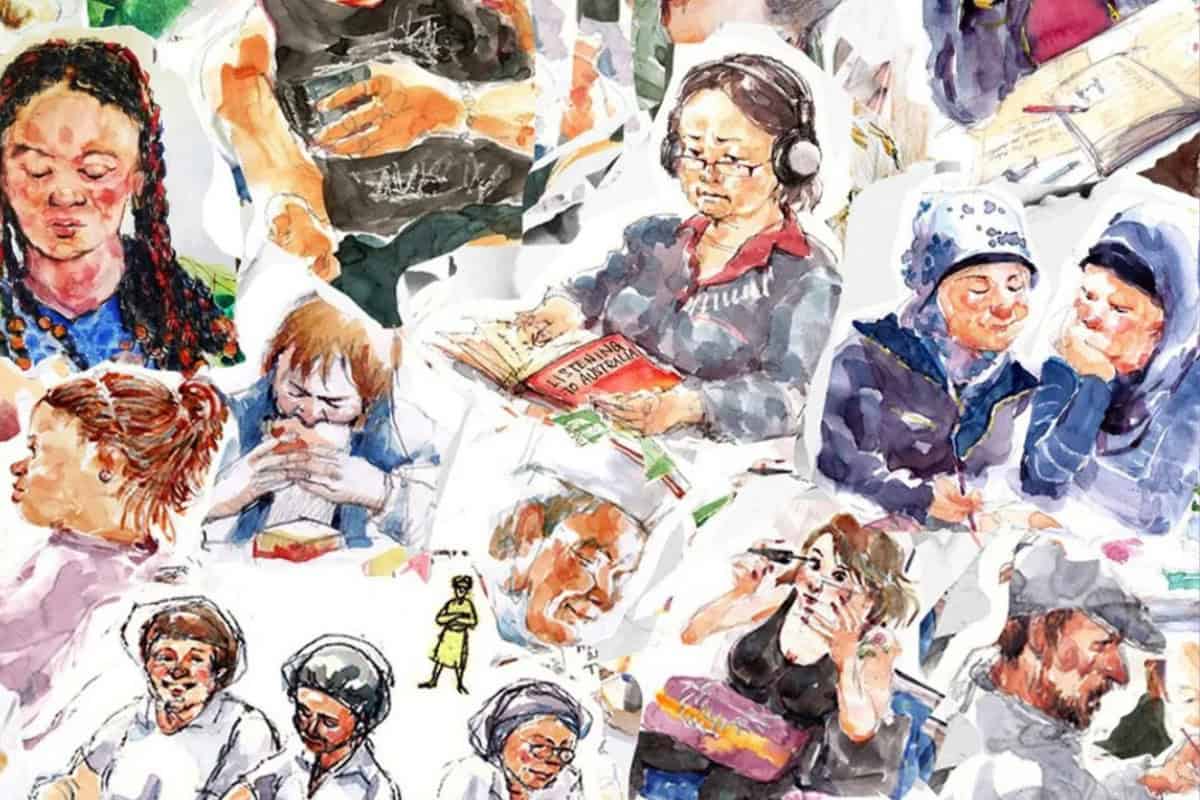
Despite migrants making up 30% of Australia’s population, the lived experience of settling in Australia remains poorly understood. In her latest research, Distinguished Professor Ingrid Piller FAHA & her collaborators examine the settlement experiences of over 130 migrants, revealing significant hardship but also stories of courage, resilience and belonging.
The Australian Academy of the Humanities recognises Australia’s First Nations Peoples as the traditional owners and custodians of this land, and their continuous connection to country, community and culture.